
Size: Medium-sized
Weight: 3-5 kg
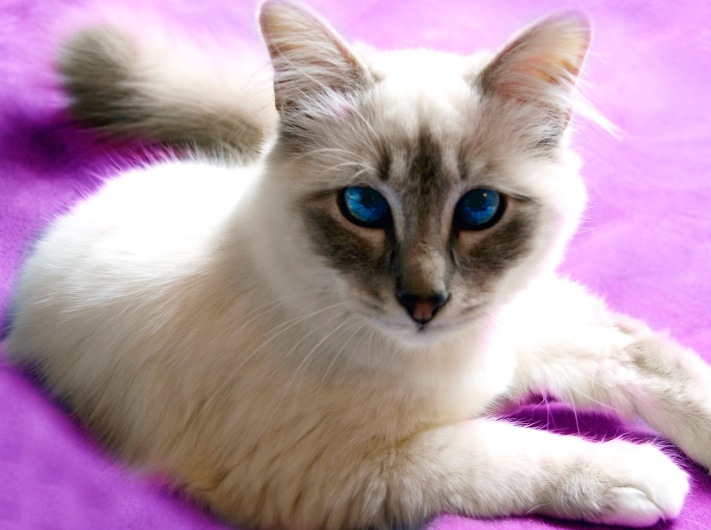
Coat: Long, silky, and soft
Colour: Various colours including seal, blue, chocolate, lilac, red, cream, and tortie
Temperament: Affectionate, playful, and intelligent
Life Span: 10-15 years
Health Issues: Potential for heart disease and hip dysplasia
Grooming: Regular brushing to prevent matting
Activity Level: Moderately active, enjoys playtime
Training: Easily trainable, responds well to positive reinforcement
If you’re looking for information about the Javanese Cat, you’ve come to the right place. This article will provide you with an overview of this unique breed, including its history, physical characteristics, and personality traits. You’ll also learn about the breed’s popularity and how to care for a Javanese Cat. So read on to find out more about this wonderful breed.
History and Origin of the Javanese Cat
The Javanese Cat is an elegant and graceful breed of cat that originated in the region of Java, Indonesia. This breed is believed to have descended from the Balinese Cat, which is native to the Indonesian archipelago. The Javanese Cat was first introduced to the United States in the late 1970s, and has since become a popular breed in Australia and around the world.
The Javanese Cat is known for its striking beauty and intelligence. This breed is also highly active and enjoys playing and exploring. They are very social cats and thrive in a home environment with plenty of attention and companionship. The Javanese Cat is usually very vocal and loves to meow and chat with its owners. They are also known for their long, silky coats that come in a variety of colours and patterns. The Javanese Cat is a playful and affectionate breed that makes an excellent pet for those who are looking for an active and loving companion.
Physical Characteristics of the Javanese Cat
The Javanese cat is a unique breed of cat that is known for its long, silky coat and slender body. This breed of cat is typically medium to large in size, with a long, slender body and a long, silky coat. The coat is usually a solid colour, with a variety of colours available, including white, black, blue, and red. The coat is often highlighted with tabby markings, and the tail is usually long and fluffy. The eyes of the Javanese cat are almond-shaped and can be either blue or green.
The Javanese cat is an intelligent and active breed that loves to play and explore. They are often quite vocal and can be quite affectionate with their owners. They are also known for their agility and can often be seen performing tricks. They are a good choice for families looking for an intelligent and active pet. They are also known for their loyalty and can be quite protective of their owners.
Personality Traits of the Javanese Cat
The Javanese Cat is a medium-sized breed of cat that is known for its unique personality traits. This breed of cat is known for its intelligence, loyalty, and affectionate nature. They are also known for their curiosity and playfulness, making them a great companion for any family.
The Javanese Cat is an active breed, and they love to explore and play. They are known for their intelligence and problem-solving abilities, which can make them a great addition to any home. They are also very loyal and affectionate, and they enjoy spending time with their owners. They are also known for their vocalizations, and they will often meow and purr to show their affection. The Javanese Cat is an ideal breed for those looking for a loving and intelligent companion.
Health and Care of the Javanese Cat
The Javanese Cat is a popular breed of domestic cat, known for its beautiful coat and friendly personality. As with all cats, it is important to provide the Javanese Cat with the right care and nutrition to ensure it remains healthy and happy.
Good nutrition is essential for the Javanese Cat, and it should have access to a balanced, high-quality diet. Fresh water should also be available at all times. Grooming is important for this breed, as its long coat can become matted if not cared for properly. Regular brushing and combing will help to keep the coat looking its best. It is also important to keep the cat’s nails trimmed, and to check its ears for any signs of infection.
Regular veterinary check-ups are also recommended for the Javanese Cat, as this will help to ensure that any potential health problems can be identified and treated early. Vaccinations should also be kept up to date, as well as flea and worm treatments. With the right care and attention, the Javanese Cat can be a loyal and loving companion for many years.
Training and Exercise for the Javanese Cat
Javanese cats are a popular breed of cats that are known for their intelligence and active personalities. As such, they require plenty of training and exercise to keep them healthy and happy. Training and exercise are essential for Javanese cats to keep their minds and bodies active.
When it comes to training, Javanese cats are highly intelligent and can learn quickly. Positive reinforcement is the most effective way to train a Javanese cat. It is important to provide them with plenty of praise and rewards when they do something correctly. It is also important to be consistent with their training and to set boundaries.
When it comes to exercise, Javanese cats need plenty of physical activity to stay healthy. Playing with toys, such as laser pointers and feather wands, is a great way to keep them active. It is also important to provide them with plenty of scratching posts and climbing towers to help keep their claws and muscles strong. Taking them for walks on a harness or leash is also a great way to get them some exercise. It is important to remember to provide them with plenty of playtime and exercise to keep them healthy and happy.
Javanese Cat Breeding and Genetics
Javanese cats are a breed of cat that originated in the Indonesian island of Java. They are known for their long, silky coats and their playful, energetic personalities. Javanese cats are also known for their intelligence and loyalty. As a result, they make excellent family pets.
When it comes to breeding and genetics, Javanese cats are a unique breed. They have a wide range of coat colours and patterns, including solid, tabby, and tortoiseshell. They also have distinctive facial features, including almond-shaped eyes and a short, rounded muzzle. Genetic testing can help breeders identify cats that are likely to have the desired traits. Additionally, careful breeding practices can help to ensure that the breed’s unique qualities are passed down to future generations. With the right care and attention, Javanese cats can make wonderful additions to any family.
Javanese Cat as a Family Pet
The Javanese Cat is an ideal pet for any family looking for a furry companion. This breed of cat is known for its intelligence and loyalty, making it a great addition to any household. The Javanese Cat is also known for its affectionate nature, making it a great companion for children and adults alike. As a medium-sized cat, the Javanese Cat is not too large or too small, making it perfect for a variety of living spaces.
The Javanese Cat is also known for its beautiful coat and markings. Its unique colouring is sure to be a conversation starter in any home. Additionally, the Javanese Cat is easy to care for, requiring only regular brushing and occasional baths. This breed of cat is also known for its lack of shedding and minimal dander, making it a great choice for those with allergies. With its intelligence and affectionate nature, the Javanese Cat is the perfect pet for any family looking for a loyal companion.
Final Thoughts
the Javanese Cat is an ideal breed for any family looking for an intelligent and loyal companion. This breed of cat is known for its striking beauty and playful personality, making it a great addition to any home. The Javanese Cat is also easy to care for, requiring only regular brushing and occasional baths. With its intelligence and affectionate nature, the Javanese Cat is the perfect pet for any family looking for a loving and devoted companion.
Javanese Cat FAQs
Javanese cats are generally good with children and enjoy playing and interacting with them. However, as with any cat, it is important to supervise interactions between children and cats to prevent rough play and accidental injuries.
Javanese cats are known for their vocal nature and are often described as “talkative”. They may meow and chirp to communicate with their owners, and may even learn to respond to verbal cues.
Javanese cats are generally healthy and do not have any breed-specific health issues. However, like all cats, they may be prone to certain health problems, such as dental issues and obesity, if not properly cared for.
Javanese cats are active and playful, but they do not require a lot of exercise. They enjoy playing with toys and climbing, but can also be content to lounge and cuddle with their owners.
Javanese cats have a long, silky coat that requires regular grooming to prevent matting and tangling. They should be brushed at least once a week and may require more frequent grooming during shedding season.
Javanese cats are medium-sized cats, with an average weight of 3-5 kilograms for males and 2-4.5 kilograms for females. They have a sleek and muscular build, with long legs and a long tail.
Javanese cats have a lifespan of 12-16 years on average. With proper care and regular veterinary checkups, they can live even longer.
Javanese cats come in a variety of colors, including seal point, blue point, chocolate point, lilac point, red point, cream point, and tortie point. They also come in solid colors, such as white, black, and blue.
The Javanese cat is a breed of domestic cat that originated in North America. It is a long-haired cat that is closely related to the Siamese and Balinese breeds.
Javanese cats are known for their affectionate and sociable nature. They enjoy being around people and are often described as “lap cats”. They are also intelligent and curious, and enjoy playing and exploring their surroundings.