
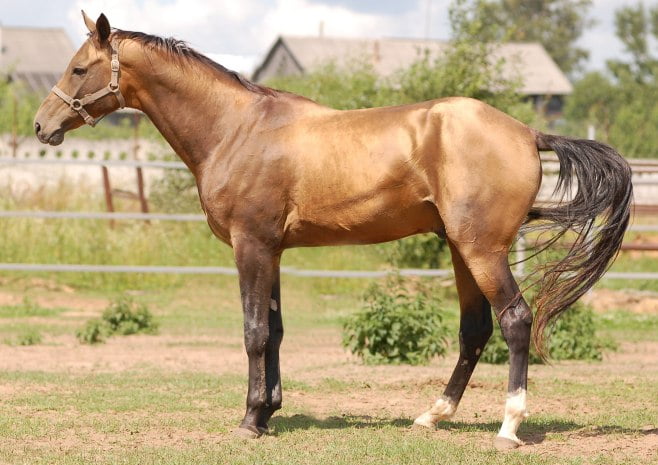

Origin: Russia
Height: 15-16 hands (152-163 cm)
Weight: 500-600 kg
Coat colour: Bay, chestnut, black, grey
Temperament: Brave, calm, intelligent, willing
Uses: Sports, endurance riding, dressage, show jumping
Diet: Hay, grass, grains, supplements
Lifespan: 25-30 years
Distinctive features: Muscular build, long neck, sloping shoulders, strong hooves
Health issues: None specific to the breed
Are you interested in learning more about the Budenny Horse? This article will provide you with an in-depth look into this majestic breed of horse. From its history and origins to the unique characteristics that make it such a beloved breed, you’ll learn all about the Budenny Horse. We’ll also discuss the breed’s popularity and the different varieties of the breed, so if you read on, you’ll discover a lot about this remarkable horse.
History and Origins of the Budenny Horse
The Budenny Horse is a breed of horse that is native to Russia and has a long and storied history. The breed is named after the legendary cavalry commander, Semyon Budenny, who served in the Russian Civil War and was instrumental in the development of the breed. The Budenny Horse was developed by crossing native Russian horses with Arabian, Barb, and Turkoman horses. The result was a breed that was strong, agile, and had excellent endurance.
The Budenny Horse is known for its endurance, and it was used extensively in the Russian cavalry during the Soviet era. The breed was also used in the Russian Olympic team, and it is still used today in various equestrian sports. The Budenny Horse is a popular choice for long distance riding, and it is also popular with recreational riders. The breed is known for its gentle nature and its willingness to work. The Budenny Horse is also known for its intelligence and its ability to learn quickly. It is an excellent choice for anyone looking for a reliable and hardworking horse.
Physical Characteristics of the Budenny Horse
The Budenny Horse is a breed of horse that originated in Russia, and is named after its founder, Semyon Budenny. It is a hardy breed that is known for its strength and stamina. The Budenny Horse is a medium-sized horse, standing between 14 and 15 hands high, and is usually chestnut in colour. It has a strong, muscular body, with a broad chest and powerful hindquarters. The head is well-shaped, with a straight profile, and the neck is muscular and arched. The legs are strong and straight, and the feet are well-formed and tough.
The Budenny Horse is renowned for its hardiness and endurance. It is a strong and reliable mount, and is used for a variety of riding disciplines, including dressage, show jumping, and eventing. It is also used for light draft work, and is a popular choice for pleasure riding and trail riding. The Budenny Horse is a versatile breed, and is well-suited to life in Australia, where it can thrive in a variety of climates and conditions.
Uses and Roles of the Budenny Horse in Modern Times
The Budenny Horse is a breed of horse that has been used in Russia since the late 19th century. It is a hardy, strong breed that is still used in modern times for a variety of roles. The Budenny Horse is a popular choice for both recreational and professional riders, as it is a reliable and versatile breed.
The Budenny Horse is often used in the show ring, as it is a beautiful breed with a long, flowing mane and tail. It is also a popular choice for dressage, show jumping and eventing. The Budenny Horse is also used in endurance riding, as it is a strong and reliable breed that can cope with long distances. It is also used for pleasure riding, as it is a calm and gentle breed that is easy to handle. In addition, the Budenny Horse is often used in the military, as it is a hardy breed that is capable of carrying heavy loads.
Training and Care of Budenny Horses
The Budenny Horse is a breed of horse that is renowned for its strength and agility. It is a popular choice for many equestrian activities, and is often seen in showjumping, dressage, and eventing. As such, it is important to ensure that these horses are given the best possible care and training in order to ensure their long-term health and performance.
When training and caring for a Budenny Horse, it is important to remember that they are a highly intelligent breed and require a lot of patience and understanding. They are also very sensitive to their environment, so it is important to ensure that they are given a consistent and structured routine. This should include regular exercise, grooming, and plenty of socialisation with other horses. It is also important to ensure that the horse is given the correct nutrition and supplementation, as this will help to ensure that they stay healthy and perform to their best. Finally, it is essential to provide regular veterinary care and check-ups to ensure that the horse is in peak condition. By following these simple steps, owners of Budenny Horses can ensure that their horse is given the best possible care and training.
Famous Budenny Horses and their Accomplishments
The Budenny Horse is a breed of horse that has a long and storied history in Russia. Their origins date back to the early 19th century, when they were bred by the Russian cavalry. The Budenny Horse is known for its strength, agility, and stamina, and was used extensively by the Russian military for centuries.
The Budenny Horse was an integral part of the Russian cavalry, and was used in many battles throughout the 19th and 20th centuries. During World War I, the Budenny Horse was used to great effect in the Russian cavalry, and was credited with helping to turn the tide of the war in Russia’s favour. During World War II, the Budenny Horse was used in the Soviet Union’s defense of Stalingrad, and was praised for its bravery and strength. After the war, the Budenny Horse was used in the Soviet Union’s Olympic equestrian team, where it earned numerous medals. The Budenny Horse is still used today in Russia, and is highly sought after by equestrian enthusiasts all over the world.
Breeding and Genetics of the Budenny Horse
The Budenny horse is a breed of horse that was developed in Russia in the early 20th century. It is known for its strength, endurance and agility, and is one of the most popular breeds in Russia. The breed is named after Semyon Budyonny, a famous Russian cavalry commander.
The breeding and genetics of the Budenny horse is an important aspect of the breed. The breed has been selectively bred to produce horses with strong, muscular bodies, good speed and agility, and good stamina. The breed is also known for its good temperament and friendly nature. The Budenny horse has been bred to be a versatile riding horse, suitable for a variety of disciplines, including dressage, show jumping, eventing, and endurance riding. The breed is also popular for its use in show and racing. The breed has been bred to be a strong and reliable mount, and its genetics have been carefully managed to ensure that the breed remains healthy and sound.
Challenges Facing the Budenny Horse Breed Today
The Budenny Horse is an iconic breed that has been used for centuries in the Russian military, but today it faces a number of challenges. One of the biggest challenges is the dwindling population of the breed. The Budenny Horse is considered to be a rare breed, and its numbers have been declining in recent years due to a lack of interest from breeders and owners. This has resulted in a smaller gene pool, which can lead to a decrease in the quality and health of the breed.
Another challenge facing the Budenny Horse is the lack of resources available to owners and breeders. Many owners and breeders struggle to find the necessary resources to properly care for and maintain the breed. This includes access to proper veterinary care, nutrition, housing, and training. Without these resources, the breed can suffer from poor health and poor performance. These challenges must be addressed in order for the Budenny Horse to remain a viable breed.
Final Thoughts
the Budenny Horse is a majestic breed of horse that has a long and storied history in Russia. It is a strong, agile, and hardy breed that is known for its excellent endurance and gentle nature. The breed is used in a variety of equestrian disciplines, and is a popular choice for recreational and professional riders alike. The breed has been carefully bred to produce horses with strong bodies, good speed and agility, and good stamina. While the Budenny Horse is facing some challenges today, with the right care and resources, this breed can continue to thrive for many years to come.
Budenny Horse FAQs
Budenny horses typically grow to be between 15 and 16 hands tall.
Budenny horses are often used for riding, jumping, dressage, and eventing. They are also used for endurance riding and as working horses on farms and ranches.
Budenny horses are known for their athletic ability, endurance, and versatility. They are also known for their intelligence, loyalty, and trainability.
The Budenny horse is a breed of horse that originated in Russia. They were developed for use in the military and are known for their athleticism, endurance, and versatility.
Budenny horses typically weigh between 454 and 544 kilograms.
Budenny horses are bred through natural mating or artificial insemination. Breeders carefully select the stallion and mare to ensure the best possible offspring.
The breed was developed in the early 20th century by Marshal Semyon Budyonny, who was looking for a horse that could withstand the rigors of military service. The Budenny horse was created by crossing Thoroughbreds with local Russian breeds.
Budenny horses typically live for around 25 to 30 years.
Budenny horses are known for their intelligence and trainability. They are also known for their loyalty and affectionate nature.
Budenny horses can be found for sale through breeders, horse auctions, and online marketplaces. It is important to do research and work with a reputable breeder when purchasing a horse.