
Breed Type: Hunting or Gun Dog
Country of Origin: Spain
Size: Medium
Also known as: Springer Spaniel
Males: Height: 46-51 cm, Weight: 23-25 kg
Females: Height: 43-48 cm, Weight: 16-20 kg
Exercise Requirements: Medium
Care Requirements: Medium
Lifespan: 12-14 Years
Best Suited as: Family Dog / Field Dog / Show Dog
Are you looking for a loyal, energetic and loving companion? Then the English Springer Spaniel might be the perfect dog for you! This breed has been a popular choice for pet owners in the UK for centuries, and is now gaining popularity in Australia. If you read on, you’ll discover why this breed is so beloved and learn all about the English Springer Spaniel’s history, temperament, and care requirements.
History and Origin of the English Springer Spaniel
The English Springer Spaniel is a breed of gun dog that has been around for centuries. It is thought to have originated in the 16th century in the United Kingdom, when it was used as a hunting companion and to flush out game birds. The breed was originally known as the Norfolk or Shropshire Spaniel, and was later renamed the English Springer Spaniel in 1902.
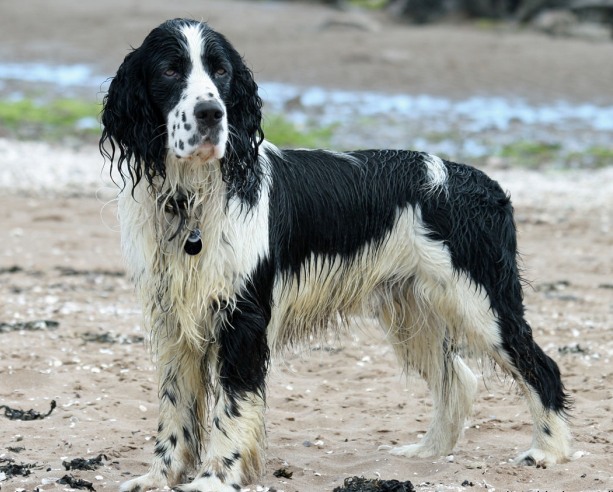
The English Springer Spaniel is a medium-sized breed with a short, silky coat that can be black and white, liver and white, or tricolour. They have a strong, muscular body and a long, feathered tail. They are intelligent, loyal, and energetic, and make great family pets. They are also excellent hunters, and are used for hunting game birds, rabbits, and other small animals. They have a strong sense of smell and are able to track their prey over long distances. The English Springer Spaniel is a popular breed in Australia and is often used for hunting, agility, and obedience competitions.
Physical Characteristics and Appearance of the Breed
The English Springer Spaniel is a medium-sized breed of dog that is known for its friendly and energetic nature. The breed typically has a long, silky coat that can come in a variety of colours, including black and white, liver and white, and black and tan. The breed also has a distinctive long, feathered tail and long ears that hang down from the head.
The English Springer Spaniel is a strong and muscular breed that is known for its agility and stamina. The breed typically stands between 18 and 20 inches tall and can weigh anywhere from 30 to 50 pounds. The breed has a deep chest and a broad head with a long muzzle and a black nose. The breed’s eyes are typically brown and the breed’s ears are long and hang down from the head. The breed has a long, silky coat that can come in a variety of colours, including black and white, liver and white, and black and tan.
Personality Traits and Temperament of English Springer Spaniels
English Springer Spaniels are an intelligent and loyal breed of dog, making them an ideal companion for many households. They are known for their friendly and outgoing personalities, and they are often described as being gentle and loving. They are also known for their strong work ethic and eagerness to please their owners.
English Springer Spaniels are highly trainable and have a strong desire to please their owners. This makes them an ideal companion for those looking for an obedient and loyal pet. They are also known for their playful and energetic nature, and they love to be around people. These traits make them well-suited for families with children, as they can provide hours of entertainment. They are also known for their intelligence and can be taught a variety of tricks. With the right training, they can become a great addition to any family.
Training and Exercise Requirements for English Springer Spaniels
English Springer Spaniels are an active and intelligent breed of dog, and as such they require a certain level of training and exercise to ensure they remain healthy and happy. Training and exercise are key components of responsible dog ownership, and they are essential for English Springer Spaniels.
The amount of exercise an English Springer Spaniel needs depends on their age and health. Generally, they should have at least two 30-minute walks a day, as well as plenty of playtime and mental stimulation. Training should begin early and should be consistent, with positive reinforcement methods used to encourage good behaviour. Basic obedience commands such as sit, stay and come are essential, and socialisation with other dogs and people should be encouraged. It is also important to remember that English Springer Spaniels are working dogs, and they need to be kept active and engaged to prevent boredom and destructive behaviour.
Grooming and Care Tips for English Springer Spaniels
English Springer Spaniels are an affectionate, intelligent, and loyal breed of dog. As with any breed, they require regular grooming and care to stay healthy and happy. Here are some tips for grooming and caring for your English Springer Spaniel.
Grooming is an important part of keeping your English Springer Spaniel healthy and looking their best. Brushing your Springer’s coat at least twice a week will help keep it clean and free of tangles and mats. Trimming their nails regularly is also important for their health and comfort. If necessary, have a professional groomer do this for you. Additionally, regular baths and ear cleaning are important for keeping your Springer’s coat and ears healthy and free of infection.
Caring for your English Springer Spaniel goes beyond just grooming. Exercise is important for this breed, so take them for regular walks and provide them with plenty of playtime. Additionally, a healthy diet is essential for their wellbeing. Feed them a high-quality diet that is appropriate for their age and size. Lastly, regular visits to the vet are important for keeping your Springer healthy and up to date with any necessary vaccinations.
Health Concerns and Common Medical Issues in the Breed
English Springer Spaniels are prone to a number of health concerns, including hip and elbow dysplasia, eye problems, and heart disease. Hip and elbow dysplasia is a condition that affects the shape of the joints, which can cause lameness and discomfort. Eye problems are common in this breed, including cataracts, glaucoma, and progressive retinal atrophy. Heart disease is also a concern, with English Springer Spaniels being particularly prone to a condition known as dilated cardiomyopathy.
It is important to ensure that any English Springer Spaniel you consider for adoption is healthy and has been tested for these common medical issues. Regular check-ups with a veterinarian and regular exercise are essential to maintaining the health of this breed. It is also important to feed your English Springer Spaniel a balanced diet and to keep their vaccinations up to date. By taking these steps, you can help to ensure that your English Springer Spaniel remains healthy and happy for many years to come.
English Springer Spaniels as Working Dogs and Hunting Companions
English Springer Spaniels have long been valued as working dogs and hunting companions. These dogs are highly intelligent and have a strong work ethic. They are eager to please and are easily trained. They are also known for their excellent noses and tracking abilities, making them excellent hunting companions.
In the field, English Springer Spaniels are often used to flush out game birds. They are also used to retrieve game, as they are excellent swimmers and have a strong drive to retrieve. They are also used as guard dogs, as they are alert and loyal. They have a strong work ethic and will happily take on any task given to them. These dogs are also great family companions, as they are gentle and loving. They make excellent watchdogs, always alert to their surroundings. English Springer Spaniels are a great choice for anyone looking for a loyal and hardworking companion.
Choosing and Adopting an English Springer Spaniel: What You Need to Know.
Choosing and adopting an English Springer Spaniel is an important decision and one that should not be taken lightly. Before taking the plunge, it is important to know what to expect from this breed. English Springer Spaniels are an active and loyal breed, making them an ideal companion for those looking for a loyal and energetic pet. They have a unique physical appearance, with a long, silky coat and a characteristic white and black or liver and white colouring. They are also known for their outgoing and friendly nature, making them a great family pet.
When it comes to training, English Springer Spaniels are quick learners and respond well to positive reinforcement. They are also known for their high energy levels and need plenty of exercise and mental stimulation. It is important to provide them with plenty of opportunities to socialise and play with other dogs, as this helps them to become well-rounded and well-behaved. Additionally, they require regular grooming to keep their coats looking healthy and their nails trimmed. With the right care and training, English Springer Spaniels can make wonderful additions to any family.
Final Thoughts
The English Springer Spaniel is an ideal companion for those looking for a loyal, energetic, and loving pet. They are a medium-sized breed with a short, silky coat that comes in a variety of colors. They are intelligent and loyal, and have a strong desire to please their owners. They require daily exercise and mental stimulation to stay fit and healthy, and they need to be trained and socialized from a young age. With the right training and care, they can be a great addition to any family. If you are looking for a loyal and loving companion, then the English Springer Spaniel might be the perfect dog for you.
English Springer Spaniel FAQs
English Springer Spaniels are intelligent dogs that are eager to please their owners, making them relatively easy to train. However, they can be stubborn at times, so consistent and positive reinforcement is important.
Yes, with proper socialization, English Springer Spaniels can get along well with other dogs and pets. However, they do have a strong hunting instinct and may try to chase smaller animals.
While English Springer Spaniels can adapt to apartment living, they require a lot of exercise and mental stimulation. A house with a large yard would be better suited for this energetic breed.
English Springer Spaniels can be prone to several health issues, including hip dysplasia, ear infections, and eye problems. Regular vet check-ups and proper grooming can help prevent these issues.
Yes, English Springer Spaniels do shed quite a bit. Regular brushing and grooming can help minimize shedding.
English Springer Spaniels typically live between 10-14 years. With proper care and regular vet check-ups, they can live long and healthy lives.
English Springer Spaniels require at least an hour of exercise per day. They enjoy activities such as running, hiking, and playing fetch.
The English Springer Spaniel is a medium-sized dog, weighing between 18-25 kilograms. They have long, droopy ears, a silky coat that comes in black and white or liver and white, and a wagging tail.
The English Springer Spaniel breed originated in England in the 1800s. They were bred to be hunting dogs for birds, specifically to spring (flush out) game from its hiding place.
The English Springer Spaniel is known for being friendly, loyal, and energetic. They are great with children and make excellent family pets. They do require a lot of exercise and mental stimulation to prevent boredom.