
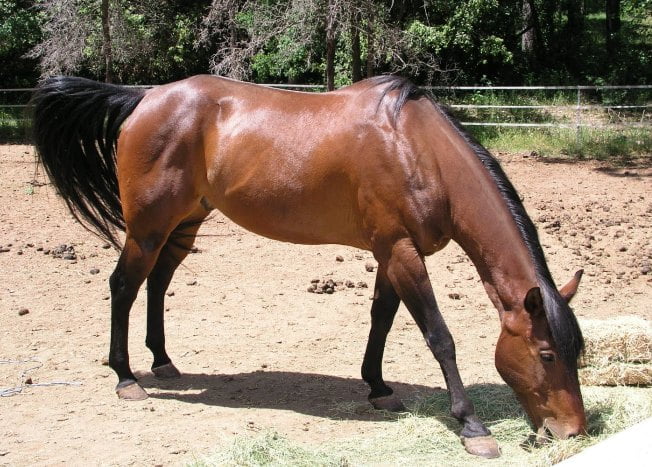

Height: 15-16hh
Weight: 500-600kg
Colour: Grey, bay, chestnut, black
Coat: Short, thick and smooth
Head: Short and broad
Neck: Long and muscular
Legs: Long and muscular
Hooves: Strong and healthy
Temperament: Brave and willing
Speed: 12-14mph
Are you interested in learning more about the Alter Real Horse? This article is for you! This rare breed of horse, originally from Portugal, is known for its beauty, athleticism, and intelligence. If you read on, you’ll discover a lot about the Alter Real Horse, including its history, characteristics, and uses. So, if you’re looking to learn more about this wonderful breed, you’ve come to the right place!
History and Origins of the Alter Real Horse
The Alter Real Horse is a breed of horse that originated in Portugal. The breed was developed in the 18th century by the Royal House of Braganza, and is considered to be one of the oldest breeds in the world. The Alter Real Horse is known for its unique characteristics, including its strong, muscular build and its distinctive white coat.
The breed was originally used by the Royal House of Braganza for hunting and other equestrian activities. However, in the 19th century, the breed was used for military purposes. During this time, the Alter Real Horse was crossed with other breeds to create a larger, stronger horse that could carry heavier loads. The breed was also used to create the Lusitano breed, which is now popular in Portugal and other countries. Today, the Alter Real Horse is still used for a variety of activities, including dressage, show jumping, and eventing.
Physical Characteristics and Appearance of the Alter Real Horse
The Alter Real Horse is a breed of horse that originates from Portugal. It is a strong, athletic horse that is known for its elegance and grace. The Alter Real Horse is a powerful breed that stands between 15 and 16 hands high and weighs between 800 and 900 kilograms. They have a strong, muscular body and a long, graceful neck. The head is wide and the eyes are large and expressive. The Alter Real Horse has a deep chest and strong hindquarters, making it an ideal horse for dressage and show jumping.
The Alter Real Horse has a thick, wavy mane and tail and a short, dense coat. The coat is usually bay, black, or chestnut in colour, although there are other variations. The Alter Real Horse is known for its intelligence and loyalty, making it a popular choice for riders of all levels. It is an ideal horse for dressage and show jumping, as well as for pleasure riding. With its strong, athletic build and beautiful coat, the Alter Real Horse is a stunning breed that is sure to turn heads wherever it goes.
Training and Use of the Alter Real Horse in Equestrian Sports
The Alter Real Horse is a breed of horse originating from Portugal that is becoming increasingly popular in the equestrian sports world. This breed is known for its athleticism, intelligence, and willingness to work, making it an ideal choice for riders looking to compete in a variety of disciplines.
The Alter Real Horse is a versatile breed that is suitable for both dressage and show jumping. Its athleticism and agility make it a great choice for show jumping, while its intelligence and willingness to learn make it a great choice for dressage. The Alter Real Horse is also known for its calm and cooperative nature, making it a great choice for beginners and experienced riders alike. With proper training, the Alter Real Horse can be a reliable and successful partner for any rider. Additionally, the Alter Real Horse is a great choice for those looking to compete in eventing, as its athleticism and intelligence make it an ideal choice for the cross-country phase.
The Alter Real Horse is becoming an increasingly popular choice for equestrian sports, and with proper training and care, this breed can be a reliable and successful partner for any rider. With its athleticism, intelligence, and willingness to work, the Alter Real Horse is an ideal choice for riders looking to compete in a variety of disciplines.
Preservation Efforts and Challenges Facing the Alter Real Horse Breed
The Alter Real Horse is a rare breed of horse that has been in existence since the 17th century. This breed is known for its distinctive beauty and athleticism, and has been used for a variety of purposes, including dressage, show jumping, and eventing. Unfortunately, the Alter Real Horse is now facing a number of challenges that threaten its future.
Preservation efforts for the Alter Real Horse have been ongoing for many years, but the breed is still in danger of becoming extinct. The primary challenge is the lack of genetic diversity, which has been caused by a long history of inbreeding. This has resulted in a decrease in fertility, increased susceptibility to disease, and a decrease in the overall quality of the breed. In addition, the Alter Real Horse is now facing competition from other breeds, such as the Lusitano and the Andalusian, which have become increasingly popular. To help protect the Alter Real Horse, conservation efforts have been undertaken, including the creation of a stud book and the establishment of a breeding programme. However, these efforts have so far been unsuccessful in reversing the decline in the breed’s population.
Famous Alter Real Horses and their Accomplishments
The Alter Real horse is a breed of horse that has been prized for its elegance and athleticism for centuries. The Alter Real breed is a descendant of the Andalusian horse, and has been bred in Portugal since the 18th century. Alter Real horses are known for their grace, intelligence, and athleticism, making them a popular choice for dressage, show jumping, and other equestrian sports.
Throughout history, there have been many famous Alter Real horses that have achieved great success in the show ring and in competition. One of the most well-known Alter Real horses is the stallion, Lusitano, who won the gold medal at the 1984 Olympic Games in Los Angeles. Other successful Alter Real horses include the mare, Dona Maria, who won the European Championship in show jumping in 1986, and the stallion, Quimera, who won the Portuguese National Championship in dressage in 2008. These horses have all showcased the exceptional qualities of the Alter Real breed, and have become icons of the equestrian world.
Comparing the Alter Real Horse to Other Iberian Breeds
The Alter Real Horse is an Iberian breed that has been around since the 15th century. It is closely related to the Lusitano and the Andalusian breeds, and is known for its strong work ethic and intelligence. The Alter Real is a larger animal than the Lusitano and Andalusian, with a more powerful conformation and a thicker mane and tail. It is also known for its versatility, being able to perform in a variety of disciplines, including dressage, jumping, and driving.
When compared to other Iberian breeds, the Alter Real Horse stands out for its athleticism and strength. It is known for its powerful trot and canter, and its ability to perform in a variety of disciplines. The Alter Real is also known for its intelligence and willingness to work, making it a great choice for riders of all levels. The Alter Real is also known for its good conformation, with a strong neck and well-muscled hindquarters. The breed is an excellent choice for riders looking for a horse with the ability to perform in multiple disciplines.
Breeding and Genetics of the Alter Real Horse
The Alter Real horse is a breed of horse that originated in Portugal in the late 18th century. They are known for their athleticism, intelligence, and docility, and have been used for many different disciplines, including dressage and show jumping. Breeding and genetics are an important part of the Alter Real horse’s history and development.
The Alter Real horse is a breed with a strong focus on breeding and genetics. The breed has a closed stud book, meaning that only horses that have been approved by the Portuguese studbook may be used for breeding. This helps to ensure that the breed maintains its strong characteristics, such as its athleticism and intelligence. The breed is also known for its good conformation, and has been used to improve other breeds. The breed is also recognized for its good health, and is known to have a long lifespan. By carefully selecting the horses used for breeding, the Alter Real horse is able to maintain its strong characteristics and unique traits.
Future Outlook and Potential for the Alter Real Horse Breed
The future outlook and potential for the Alter Real Horse breed is very promising. This ancient breed is currently being conserved and protected by the Portuguese government, with the aim of preserving its unique characteristics and history. In recent years, the breed has seen an increase in popularity, with more and more people becoming aware of its unique qualities. The Alter Real Horse is being used for a variety of activities, from dressage to show jumping, and its versatility makes it an attractive choice for many riders.
The Alter Real Horse is also gaining recognition as a breed for conservation. The Portuguese government is actively supporting the conservation of the breed, and the Alter Real Horse is now a protected species. This is helping to ensure that the breed will continue to exist in its current form for many years to come. With the continued support of the government and the public, the future outlook and potential for the Alter Real Horse breed looks very positive.
Final Thoughts
The Alter Real Horse is a beautiful and versatile breed of horse that has been around for centuries. It is known for its strong, muscular build, its distinctive white coat, and its intelligence and loyalty. This breed is an ideal choice for riders looking to compete in a variety of disciplines, including dressage, show jumping, and eventing. Unfortunately, the Alter Real Horse is now facing a number of challenges that threaten its future, including a lack of genetic diversity and competition from other breeds. Despite these challenges, there are still many people who are dedicated to preserving the breed and ensuring its future. With proper training and care, the Alter Real Horse can be a reliable and successful partner for any rider. Whether you are looking for a beautiful mount or a reliable partner in the show ring, the Alter Real Horse is a great choice.
Alter Real Horse FAQs
While these horses are known for their gentle temperament, they are not necessarily the best choice for beginners. They are highly trained and responsive, and require a skilled rider to handle them properly.
Yes, it is possible to ride an Alter Real Horse. However, because the breed is so rare, it can be difficult to find a stable that offers Alter Real Horse riding lessons.
Alter Real Horses are known for their unique beauty and gentle temperament. They are similar in appearance to other Iberian horse breeds, such as the Andalusian, but are typically smaller and more agile.
Unfortunately, the breed is currently endangered, with only around 200 horses left in the world.
These horses are known for their beauty, strength, agility, and gentle temperament. They have a unique head shape and a long, thick mane and tail.
The Alter Real Horse is a breed of horse that originated in Portugal in the 18th century.
There are several conservation efforts underway to save the Alter Real Horse from extinction. These include breeding programs, educational initiatives, and partnerships with local organizations.
The Alter Real Horse has played an important role in Portuguese equestrian culture for centuries. They were originally bred for use in the Portuguese royal court, and are still used today in traditional bullfighting and dressage events.
If you’re interested in seeing an Alter Real Horse in person, you can visit the Alter Real Stud Farm in Portugal. This farm is home to many of the remaining horses, and offers tours and educational programs.