
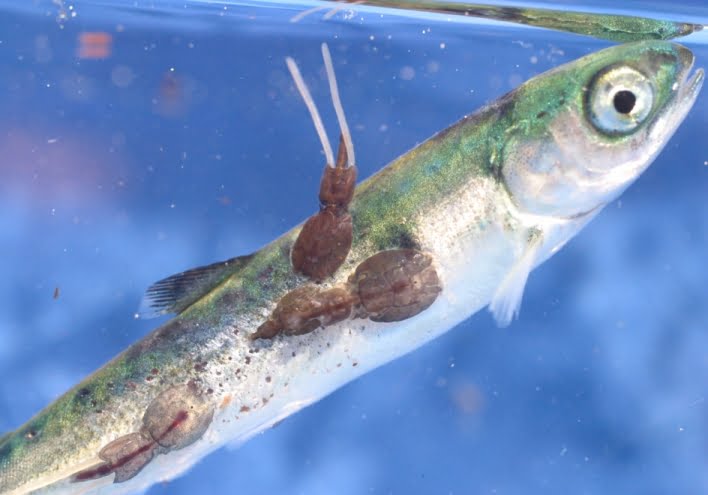

Are you a fish enthusiast in Australia looking to learn more about fish diseases and treatments? If so, you’ve come to the right place! In this article, you’ll discover a wealth of information about the common illnesses that can affect fish, as well as the treatments available to help them recover. From bacterial infections to parasites, we’ll cover the most common diseases and how to treat them. Read on to find out more about how to keep your fish healthy and happy.
Common Fish Diseases
Fish diseases can be caused by a number of different factors, including poor water quality, overcrowding, and parasites. Common fish diseases include bacterial diseases, fungal diseases, and parasites. Bacterial diseases can be caused by a variety of bacteria, including Aeromonas, Pseudomonas, and Vibrio. These bacteria can cause ulcers, fin rot, and dropsy. Fungal diseases, such as Saprolegnia, can cause white patches on the fish and can be fatal if left untreated. Parasites, such as Ichthyophthirius multifiliis, can cause white spots on the fish and can lead to anemia and death.
Treatment of fish diseases depends on the type of disease. Bacterial diseases can be treated with antibiotics, while fungal diseases can be treated with antifungal medications. Parasites can be treated with medications such as copper sulfate or formalin. It is important to identify the type of disease before attempting to treat it, as some treatments may be ineffective or even harmful to the fish. Additionally, it is important to maintain good water quality and to avoid overcrowding, as these can help to prevent the spread of disease.
Causes of Fish Diseases
Fish diseases can be caused by a variety of factors, including environmental, nutritional, and infectious agents. These diseases can cause serious problems for fish, including death, and can also spread to other fish, plants, and even humans. It is important to understand the causes of fish diseases in order to properly treat and prevent them.
Environmental factors such as water temperature, pH, and oxygen levels can all affect the health of fish. Poor water quality can lead to stress, which can make fish more susceptible to disease. Nutritional deficiencies can also cause health problems, as can the presence of heavy metals or other pollutants in the water. Additionally, overcrowding in aquariums can lead to increased stress and disease.
Infectious agents, such as bacteria, fungi, and viruses, can also cause fish diseases. These agents can be introduced to the tank through contaminated water, food, or other fish. It is important to quarantine new fish and to practice good aquarium maintenance to reduce the risk of introducing these agents. Proper water quality, nutrition, and tank maintenance are all important steps to take in order to reduce the risk of fish diseases.
Signs and Symptoms of Fish Diseases
Fish diseases are a common issue for fish owners, and it is important to be able to recognise the signs and symptoms of these diseases in order to provide the best treatment for your fish. Common signs and symptoms of fish diseases include changes in behaviour, changes in colour, loss of appetite, and visible lesions on the body.
Behavioural changes are often the first sign of a fish disease. If your fish is swimming erratically, or not swimming at all, then this could be a sign of a disease. Similarly, if your fish is hiding away more than usual, or is not responding to stimuli, then this could also be an indication of a problem. Changes in colour are another common symptom of fish diseases. If your fish’s colour is fading, or it is developing white spots or patches, then this could be a sign of a disease. Loss of appetite is also a common symptom, and if your fish is not eating or is eating less than usual, then it is important to investigate further. Finally, visible lesions on the body are a sign of a fish disease, and these can range from small white spots to large ulcers. If you notice any of these signs and symptoms in your fish, then it is important to take them to a vet as soon as possible.
Prevention of Fish Diseases
Fish diseases are a common problem in aquaculture, and can have a devastating effect on fish populations. Prevention is the best way to protect fish from disease, as it can be difficult and costly to treat. There are a number of steps that can be taken to reduce the risk of fish diseases, and these should be implemented as part of a comprehensive disease management plan.
The first step in preventing fish diseases is to maintain good water quality. This means regularly testing the water for pH, ammonia, nitrite, and nitrate levels, and making sure they are within the optimal range for the species of fish being kept. Regular water changes should also be carried out to keep the water clean and free of toxins. Additionally, any new fish should be quarantined for a period of time before being introduced to the main tank, to ensure they are healthy and free of disease.
Finally, good nutrition is essential for the health of fish. They should be fed a balanced diet, with a variety of foods that are appropriate for their species. Overfeeding should be avoided, as this can lead to an accumulation of waste in the tank, which can cause water quality issues and increase the risk of disease.
Treatment Options for Fish Diseases
Fish diseases can be a real problem for aquarists, and it is important to understand the various treatment options available. Many of these diseases can be treated with a variety of medications, including antibiotics, anti-fungal agents, and anti-parasitic agents. For bacterial and fungal infections, antibiotics are often the first line of defense. These medications are available in both liquid and tablet form, and should be administered according to the instructions on the package. In cases of severe infection, a veterinarian may prescribe stronger antibiotics.
Anti-fungal agents are used to treat fungal infections, which can be caused by a variety of organisms. These medications can be administered topically or orally, and should be used in accordance with the instructions on the package. Anti-parasitic agents are used to treat parasites, such as flukes and worms, which can be present in fish tanks. These medications are available in both liquid and tablet form, and should be administered according to the instructions on the package. In some cases, a veterinarian may be required to diagnose and treat a fish disease.
Medications for Fish Diseases
Medications for fish diseases can be an effective way to treat a wide range of fish illnesses. Most fish diseases are caused by bacteria, parasites, fungi, or viruses, and the right medication can help to eliminate the problem. Common medications used to treat fish diseases include antibiotics, antiparasitic drugs, antifungal drugs, and antiviral drugs.
Antibiotics are the most commonly used medication for fish diseases. These drugs work by killing the bacteria that cause the infection. Antibiotics are available in both liquid and pill forms, and can be administered either orally or through injection. Antiparasitic drugs are used to treat parasites, such as flukes and worms, that can cause diseases in fish. Antifungal drugs are used to treat fungal infections, while antiviral drugs are used to treat viral infections. All of these medications can be purchased from a pet store or online.
Natural Remedies for Fish Diseases
Natural remedies for fish diseases are becoming increasingly popular among aquarists looking for a more sustainable way to treat their fish. Natural remedies are typically derived from plants, minerals, and other natural sources, and are often used to treat a wide variety of ailments.
The most common natural remedies for fish diseases include using garlic, salt, and vinegar to treat parasites, bacterial infections, and fungal infections. Garlic is believed to have antifungal and antibacterial properties, while salt is used to reduce the severity of bacterial infections. Vinegar is used to treat fungal infections, as it can help to reduce the pH levels of the water and make the environment less hospitable for the fungus. Other natural remedies include using herbs and essential oils to treat a variety of ailments, such as bacterial infections, parasites, and fungal infections. These remedies are generally safe to use and can be easily found in most pet stores.
Importance of Quarantine in Fish Health Management
Quarantine is an essential part of fish health management and is a key factor in preventing the spread of disease. Quarantine is the process of isolating fish in a separate tank from the main tank for a period of time to ensure that any potential diseases or parasites are not spread to other fish in the main tank. This is especially important when introducing new fish to an existing tank, as it allows for any potential illnesses or parasites to be identified and treated before the fish are introduced to the main tank.
Quarantine also allows for the observation of any behaviours or physical signs of disease that may not be immediately apparent. This is especially important if the fish are coming from a source where the health of the fish is unknown. By observing the fish in quarantine, any signs of disease can be identified and treated before the fish are introduced to the main tank, thus reducing the risk of introducing disease to the main tank. Quarantine is also important for preventing the spread of disease between tanks, as any fish that have been in contact with a diseased fish should be quarantined before being introduced to a new tank.
Final Thoughts
Fish diseases can be a major concern for aquarists, and can have a devastating effect on fish populations. Prevention is the best way to protect fish from disease, as it can be difficult and costly to treat. Regular water changes, proper nutrition, and quarantine of new fish are all important steps to take in order to reduce the risk of fish diseases. Additionally, it is important to be aware of the signs and symptoms of fish diseases and to take action immediately if any of these are noticed. Treatment options vary depending on the type of disease, and may include changing the water, adding medication, or quarantining the affected fish. With proper preventative measures and early detection, fish diseases can be effectively managed and treated.
Fish Diseases and Treatments FAQs
Maintain good water quality, avoid overcrowding, quarantine new fish before adding them to the tank, provide a balanced diet, and avoid stressing your fish.
Look for signs of illness, such as lethargy, loss of appetite, clamped fins, abnormal swimming, and unusual growths or discoloration.
Common fish diseases include ich, velvet, fin rot, columnaris, dropsy, and swim bladder disease.
Fish diseases can be caused by poor water quality, stress, overcrowding, poor nutrition, and the introduction of sick fish to the tank.
Columnaris is a bacterial infection that causes white or gray patches on fish. It can be treated with antibiotics and good water quality.
Dropsy is a symptom of organ failure that causes the fish to swell and develop pinecone-like scales. It is difficult to treat and often fatal.
Fin rot is a bacterial infection that causes the fins to deteriorate. It can be treated with antibiotics and good water quality.
Ich is a common parasite that causes white spots on fish. It can be treated with medications like copper sulfate or malachite green.
Swim bladder disease is a condition that causes the fish to have difficulty swimming or staying upright. It can be caused by poor water quality or overfeeding, and can sometimes be treated with antibiotics or by adjusting the fish’s diet.
Velvet is another parasite that causes a gold or rust-colored dust on fish. It can be treated with medications like copper sulfate or formalin.