
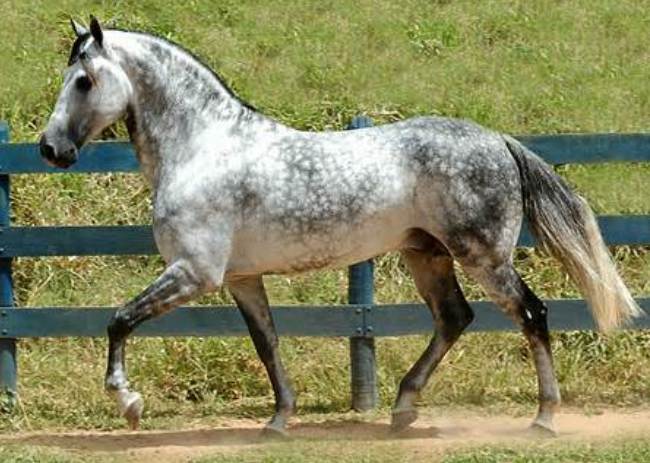

Size: 1.5-1.6 meters tall at the withers
Weight: 400-500 kilograms
Coat: Short, shiny and dense
Colour: Various colours including bay, black, chestnut, palomino and grey
Temperament: Intelligent, docile, and willing
Uses: Riding, dressage, endurance, and cattle work
Gait: Marcha, a smooth, four-beat lateral gait
Origins: Brazil
Lifespan: 25-30 years
Distinctive features: Arched neck, sloping shoulders, and powerful hindquarters
Are you looking for information about the Mangalarga Marchador? If so, you’ve come to the right place! This article will provide you with a comprehensive overview of the breed, including its history, characteristics, and care requirements. You’ll learn about the breed’s unique gaits, its origins in Brazil, and why it has become one of the most popular horse breeds in the world. Whether you’re considering adding a Mangalarga Marchador to your family or just want to learn more about this fascinating breed, you’re sure to find the information you need here. Read on to discover more about the Mangalarga Marchador!
The History and Origin of Mangalarga Marchador
The Mangalarga Marchador is a breed of horse that originated in Brazil in the 19th century. It is believed that this breed was developed by the Brazilian ranchers of the time who wanted to create a horse that was strong and hardy enough to work on their ranches. The breed was developed from a cross between a local breed of horse and a Barb from Portugal. This resulted in a horse that had the strength and endurance of the Barb and the hardiness of the local breed.
The Mangalarga Marchador was officially recognized as a breed by the Brazilian government in 1940 and since then, it has become a popular breed for general riding and show jumping. This breed is known for its smooth gait, which makes it a pleasure to ride and a great choice for both experienced and novice riders. They are also known for their intelligence and willingness to please, which makes them a great choice for horse owners. The Mangalarga Marchador is also known for its distinctive markings, which are a combination of white and black spots. This makes them a unique and attractive breed.
Characteristics and Physical Appearance of the Breed
The Mangalarga Marchador is a breed of horse that originated in Brazil. It is a medium-sized horse, standing between 15 and 16 hands high. It has a strong, muscular body and an arched neck. The breed is known for its distinctive gaits, which include the marcha, a four-beat lateral gait that is similar to the Paso Fino. The Mangalarga Marchador has a short, thick mane and tail and a smooth, glossy coat. It has a wide range of colours, including bay, black, chestnut, and buckskin.
The Mangalarga Marchador is an intelligent and hardworking breed, with a gentle and friendly temperament. It is an excellent choice for trail riding, dressage, and show jumping. It is also known for its agility and stamina, making it a great choice for endurance riding. The breed is known for its strong bond with its owner and its willingness to please. The Mangalarga Marchador is a loyal and devoted companion, making it an ideal choice for those looking for a horse that will give them many years of companionship.
The Versatility of Mangalarga Marchador
The Mangalarga Marchador is a versatile breed of horse that is becoming increasingly popular in Australia. This breed is known for its intelligence, strength, and agility, making it a great choice for a variety of equestrian activities. The Mangalarga Marchador is a great choice for dressage, show jumping, trail riding, and even western riding. This breed is also known for its calm and gentle temperament, making it an ideal choice for beginner riders.
The Mangalarga Marchador is also known for its unique gait, the marcha. This four-beat gait is unique to the breed and is known for its smoothness and elegance. This gait is perfect for trail riding and dressage, as it is comfortable for both the horse and rider. The Mangalarga Marchador is also known for its sure-footedness, making it a great choice for navigating difficult terrain. This breed is also known for its endurance, making it a great choice for long-distance riding.
The Mangalarga Marchador is a versatile breed that is well-suited for a variety of equestrian activities. Its intelligence, strength, and agility make it a great choice for riders of all levels, while its unique gait and sure-footed
Training and Riding Techniques for Mangalarga Marchador
The Mangalarga Marchador is a beautiful breed of horse originating from Brazil. It is known for its smooth gait and is popular among riders who appreciate its docile temperament and willing attitude. Training and riding techniques for the Mangalarga Marchador are important for the horse’s development and safety.
When training a Mangalarga Marchador, it is important to use positive reinforcement and reward-based methods. This breed is highly sensitive and responds best to gentle handling and consistent guidance. When riding, it is important to use a light hand and a firm seat. The Mangalarga Marchador should be allowed to move freely and should never be forced into a gait. It is also important to ensure that the horse is properly warmed up and cooled down after exercise. Additionally, riders should be aware of the horse’s physical limitations and take the time to listen to the horse’s cues.
By following these training and riding techniques, riders can ensure that their Mangalarga Marchador is happy and healthy. With patience and dedication, the bond between horse and rider can be strengthened and the horse can reach its full potential.
Health and Care for Mangalarga Marchador
The Mangalarga Marchador is a beautiful horse breed that is native to Brazil. It is known for its smooth gait and is a popular choice for riding and show competitions. As with any horse, proper care and health management are essential for the Mangalarga Marchador to stay healthy and happy.
When caring for a Mangalarga Marchador, it is important to provide them with a balanced diet that is tailored to their individual needs. This should include a variety of hay, grains, and supplements to ensure they are getting all the nutrients they need. Additionally, regular hoof care is essential to keep their feet in good condition and prevent any issues from developing. It is also important to provide them with regular exercise to keep them fit and healthy.
When it comes to health management, regular veterinary checkups are essential to ensure the horse is in good health. Vaccinations should be given as recommended by the vet to protect them from any potential illnesses. Additionally, regular deworming should be done to prevent parasites from taking hold. Finally, it is important to keep an eye out for any signs of illness or injury and to seek veterinary attention as soon as possible.
Mangalarga Marchador in the Show Ring
The Mangalarga Marchador is a breed of horse that is popular in Brazil, and is gaining recognition in other countries, including Australia. This breed is known for its smooth, four-beat gait and is often seen in the show ring.
The Mangalarga Marchador is a versatile breed, and can be seen in the show ring in a variety of disciplines. It is an ideal choice for show jumping, dressage, and western pleasure. This breed is also a great choice for trail riding, and can be seen in the show ring in the trail classes. The Mangalarga Marchador has a calm, steady temperament, and is sure-footed and reliable. This breed is also known for its intelligence and willingness to please, making them a great choice for the show ring.
The Mangalarga Marchador is a beautiful breed, with a unique four-beat gait that is sure to draw attention in the show ring. This breed is known for its athleticism, intelligence, and willingness to please, making them a great choice for the show ring. With its versatility and calm temperament, the Mangalarga Marchador is an ideal choice for show ring competitors in Australia.
Breeding and Genetics of Mangalarga Marchador
The Mangalarga Marchador is a breed of horse that is highly valued for its athleticism, intelligence, and beauty. Breeding and genetics play an important role in maintaining the breed’s unique characteristics. The breed is known for its distinctive gaits, which include the marcha, a four-beat lateral gait that is unique to the breed. The marcha is a smooth, comfortable gait that is easy to ride and allows the horse to cover long distances with ease.
In order to maintain the desired characteristics of the breed, careful selection of breeding stock is essential. Breeders focus on conformation, movement, and temperament when selecting horses for breeding. The breed also has a strict colour policy, with only certain colours being accepted. Genetic testing is used to ensure that only horses with the correct genetic makeup are used for breeding. This helps to ensure that the breed maintains its desired characteristics.
Final Thoughts
The Mangalarga Marchador is an intelligent and hardworking breed, with a gentle and friendly temperament. It is a unique breed with a four-beat gait that is unlike any other breed. The breed is known for its intelligence, strength, and agility, making it a great choice for riders of all levels. With its versatility and calm temperament, the Mangalarga Marchador is an ideal horse for all types of equestrian activities, from dressage to show jumping and trail riding. With proper training, care, and health management, the Mangalarga Marchador can be a loyal and devoted companion for many years. If you’re looking for a horse that is sure to turn heads in the show ring and provide you with years of companionship, the Mangalarga Marchador is an excellent choice.
Mangalarga Marchador FAQs
While the breed is not as well-known in the United States as it is in Brazil, there are several breeders and organizations dedicated to promoting and preserving the Mangalarga Marchador breed.
Yes, Mangalarga Marchadors are known for being easy to train and have a friendly temperament, making them a good choice for beginners.
There are several websites and organizations dedicated to the breed, including the US Mangalarga Marchador Association and the ABCCMM, the Brazilian association for the breed. You can also reach out to breeders and trainers for more information.
Mangalarga Marchadors require regular grooming, including brushing and bathing. They should be fed a balanced diet and have access to clean water and shelter. Regular exercise is also important for their physical and mental well-being.
Mangalarga Marchadors are used for a variety of riding disciplines, including trail riding, dressage, and endurance riding. They are also used for ranch work and as pleasure horses.
Mangalarga Marchadors typically stand between 14 and 16 hands high and have a muscular build. They come in a variety of colors, including bay, black, chestnut, and gray.
The breed was developed in the 19th century in Brazil by crossing native horses with imported breeds such as Lusitanos and Andalusians.
The Mangalarga Marchador is a horse breed native to Brazil that is highly valued for their smooth gait and friendly temperament.
Mangalarga Marchadors are known for being friendly and willing to please. They are intelligent and easy to train, making them a great choice for riders of all levels.
Mangalarga Marchadors have a unique four-beat gait called the marcha, which is smooth and comfortable for riders. They are also known for their versatility, excelling in a variety of riding disciplines.